Oceanography
The strange sea monsters in the deep sea
Diverse life under the ocean always contains mysteries that lie beyond human imagination. Animals that always hide in the bottom of the water also have an unusual appear…
Browse ScienceInfo articles and explainers related to Sea Monster.
112 published items.
Diverse life under the ocean always contains mysteries that lie beyond human imagination. Animals that always hide in the bottom of the water also have an unusual appear…
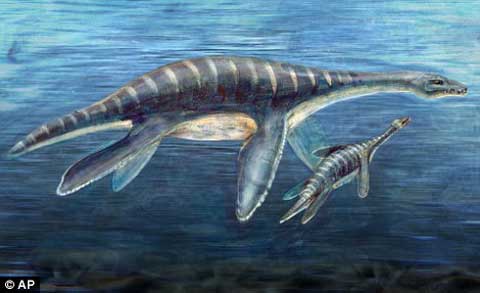
From aquatic monsters to giant sea snakes, frightening monsters in the ocean still haunt the imagination of sailors.
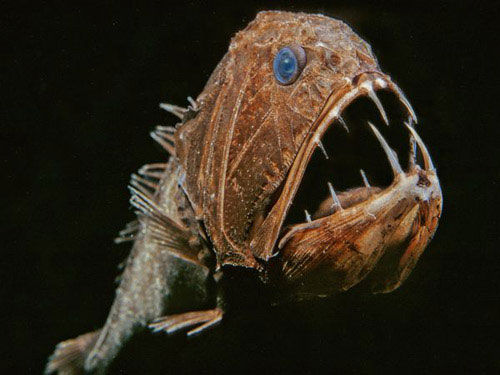
With an unusual, even somewhat bizarre appearance, many creatures choose the ocean floor as their home: Life is under great pressure, the water is cold and there is no s…

A brave biologist infiltrated the harsh environment of the White Sea to capture images

Longer than a bus with tentacles covered with razor-sharp spikes, giant ink was once considered a sea monster, but in fact they were not as fierce predators as in legend…
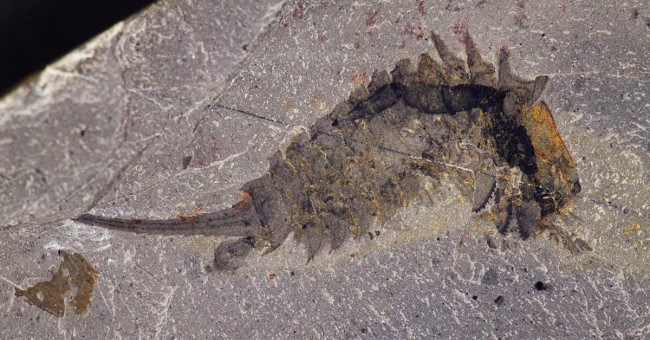
The researchers identified Habelia optata, an ancient marine creature that is only about two centimeters long but can tear off prey with a sharp and flexible head.

Researchers found a 150 million-year-old sea monster skeleton from the Jurassic period in Antarctica, the International Business Times reported on Dec. 23.

The skeleton revealed on the beach of the Russian island belongs to the ancient sea monster hunted by humans to the point of extinction.

A fossil discovered in Ningxia, China, has created a debate over the past century: is the ancestor of humans and other four-legged animals a prehistoric sea monster?
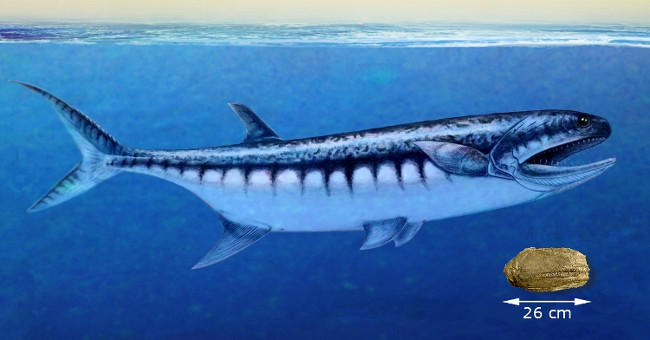
The organism was identified after scientists dug up a 25cm long skull including large teeth and many sharp little teeth inside.
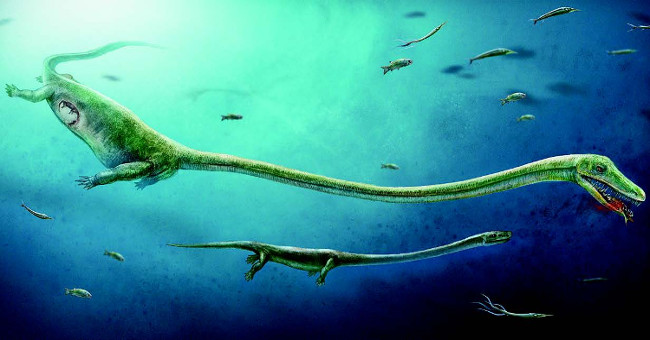
In southwestern China, archaeologists have found fossils of an ancient long-lived marine species that lived millions of years ago.
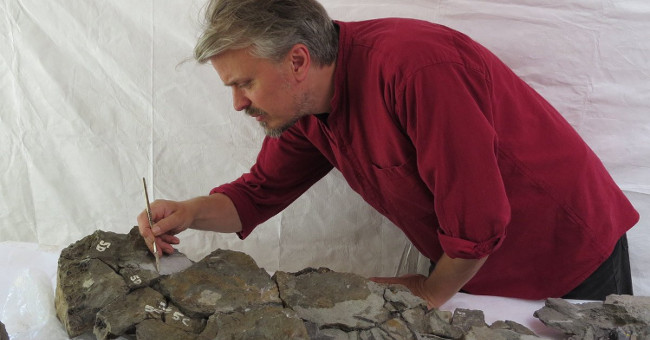
During the Jurassic period, while the dinosaurs were considered to be the hegemony of the Earth, the undersea actually existed a dolphin-like predator.
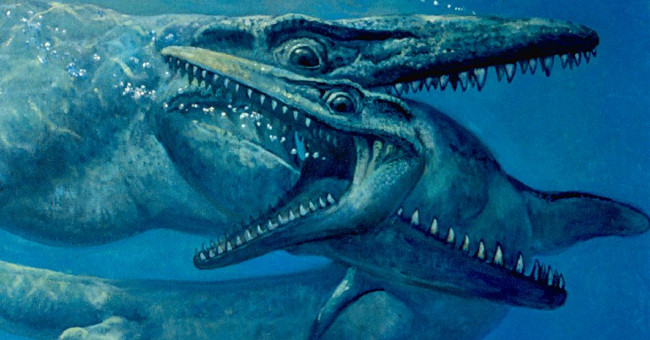
The fossil of the dragon dragon, a marine reptile like a dolphin that lived in the dinosaurs, was found with the teeth of the enemy plugging in his face.
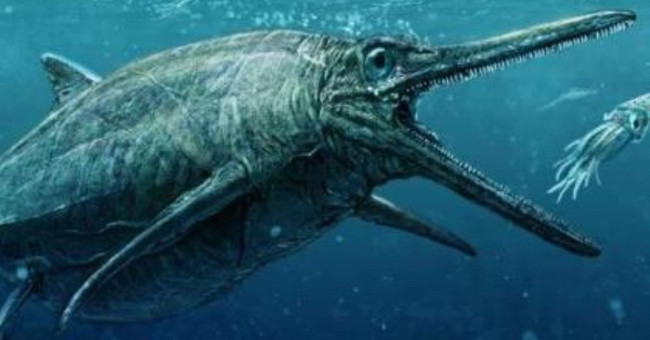
The Scottish National Museum publishes the fossil of a dolphin-like sea monster shaped like a dolphin with a long, sharp-toothed mouth buried in a stone coffin.
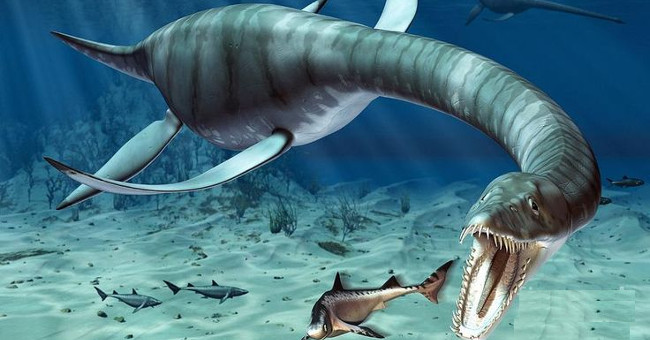
British scientists found a 165-million-year-old fossil skeleton of an animal in the Jurassic family of the plesiosaur, which is huge in size and many features never seen…